AI Quick Summary
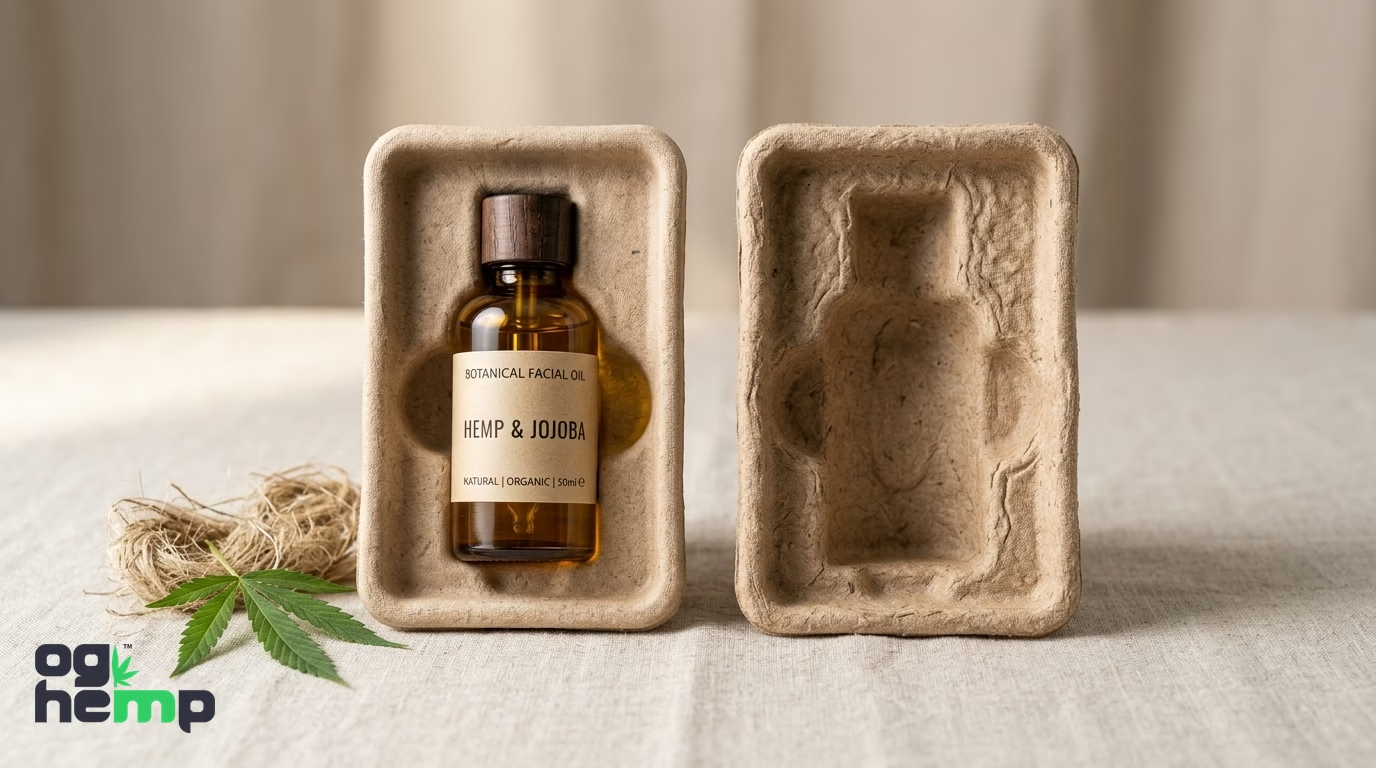
- Molded hemp pulp inserts provide a 100% plastic-free, high-durability alternative to plastic trays.
- Using molded hemp inserts helps B2B exporters comply with strict global EPR regulations and reduce plastic tax penalties.
- Hemp packaging offers up to 85% cellulose content, translating to faster biodegradation and up to 7x recycling lifespans.
For decades, thermoformed plastic trays have been the default protective choice for shipping electronics, cosmetics, and luxury goods. However, as global environmental laws tighten, B2B exporters are facing escalating plastic tax penalties and Extended Producer Responsibility (EPR) overheads. Molded hemp pulp inserts are emerging as the premier green alternative, combining high-impact shock absorption with complete circular compliance.
Why are molded natural fiber pulp inserts superior to plastic packaging trays?
Molded natural fiber pulp inserts are superior to plastic packaging trays because they are manufactured from renewable plant resources and agricultural waste fibers—including hemp, sugarcane bagasse, wheat straw, and bamboo. These materials compost completely within 90 days, whereas plastic trays persist in landfills for centuries. The high-density interlocking structure of natural plant fibers provides exceptional shock absorption and tensile strength, cushioning fragile products during shipping without using fossil fuels. By sourcing a mix of agricultural residue pulps, we offer a highly sustainable, custom-fit protective barrier that enables brands to pair inserts with outer retail boxes like Custom Hemp Boxes & Monocartons for a cohesive packaging strategy.
How do molded natural fiber inserts assist with global EPR packaging compliance?
Molded natural fiber pulp inserts assist with global EPR compliance by classifying as 100% organic, circular materials, thereby exempting exporters from plastic tax penalties under EU and US packaging laws. Extended Producer Responsibility (EPR) regulations charge manufacturers based on the weight of non-recyclable materials in their packaging. By swapping out plastic trays for plant-based alternatives, brands can lower their plastic footprints, cut annual compliance costs, and streamline custom clearances for international shipping.
Key EPR packaging regulations exporters must navigate?
Exporters must comply with region-specific mandates that heavily penalize petroleum-based plastics:
- European Union (PPWR & Waste Framework Directive): The upcoming EU Packaging and Packaging Waste Regulation (PPWR) mandates that all packaging must be recyclable by 2030 and introduces strict eco-modulation fees. Under these rules, non-recyclable plastic packaging faces high eco-levies, whereas natural, compostable plant fibers receive the lowest tax brackets.
- United Kingdom Plastic Packaging Tax (PPT): Exporters shipping goods into the UK face a tax of £217.85 per metric tonne on any plastic packaging component that contains less than 30% recycled plastic. Since molded natural pulp contains 0% fossil-fuel plastics, it is completely exempt from PPT.
- United States State-Level Mandates: US states are rapidly enacting individual EPR frameworks. California’s SB 54 (Plastic Pollution Prevention and Packaging Producer Responsibility Act) requires all single-use packaging to be recyclable or compostable by 2032, penalizing brands that fail to phase out traditional plastics.
The exporter’s 4-step compliance playbook?
To transition seamlessly and eliminate regulatory liabilities, export compliance managers should follow this structured process:
- Execute a Packaging Material Audit: Quantify the total weight of single-use plastics used per shipment. Registering this weight is mandatory when filing producer responsibility declarations in databases like Germany’s LUCID or France’s Citeo.
- Adopt Natural Fiber Replacements: Replace plastic thermoformed trays with custom-fitted agricultural residues like hemp, bagasse, or bamboo pulp inserts.
- Declare Correct Customs HS Codes: When shipping molded pulp inserts, ensure customs documentation utilizes the specific Harmonized System (HS) code designated for molded paper pulp products rather than plastic casing codes. This prevents customs officials from classifying the structural inserts under general plastic categories, avoiding incorrect duty assessments at ports of entry.
- Claim Eco-Modulated Incentives: Submit third-party compostability certifications (such as OK Compost or seedling logos) to regional compliance schemes to qualify for lower eco-modulated producer fees.
- 100% biodegradable and home-compostable
- Exempt from global plastic taxes
- Made from hemp, bagasse, and agri-waste
- Takes up to 500 years to decompose
- Subject to high EPR eco-tax penalties
- High carbon footprint during manufacturing
What industries benefit most from molded hemp packaging inserts?
Exporters in high-value, fragile industries benefit most from molded hemp packaging inserts due to their combined requirement for premium product presentation and heavy-duty shock absorption. These target B2B industries include:
- Skincare & Premium Cosmetics: Brands shipping face serums, CBD oils, and organic creams in delicate glass bottles can nest their primary packaging inside molded hemp pulp trays. These trays fit seamlessly within custom outer Mono Cartons or luxury gift boxes, delivering a cohesive, 100% plastic-free unboxing experience.
- Export-Oriented Gourmet Food & Tea: International exporters shipping organic teas, gourmet coffee, and spices in custom Compostable Pouches or bags can use molded hemp trays to keep shipping boxes structurally rigid and organized throughout long-distance global logistics.
- Premium Consumer Electronics & Precision Optics: Sensitive devices like wireless headphones, smartwatches, and optical lenses require dust-free, non-abrasive custom trays. Molded hemp inserts are statically neutral and form-fit precisely to guard sensitive electronic components during air freight.
- Luxury Wine & Spirits: Decanters and limited-edition spirits represent high-value, high-weight retail units. Hemp’s high structural density handles heavy glass loads and cushions bottles against drops and handling shocks.
- Fragrances & Luxury Glassware: Premium perfume brands require clean, premium unboxing experiences. Custom molded hemp trays can be pressed with fine, smooth finishes that secure delicate glass bottles while elevating brand value.
- Medical Devices & Diagnostic Kits: Portable health monitors and laboratory diagnostic test kits require structured, compartmentalized layouts that protect fragile displays and pre-measured testing components.
How is the manufacturing process for custom molded hemp pulp inserts managed?
We manage the entire custom packaging process in-house—from initial structural design and custom die-line tooling to raw fiber pulping and final hot-press moulding. By keeping the design, tool fabrication, and manufacturing operations under one roof, we eliminate intermediate supply chain delays and reduce tooling setup costs. For B2B brands looking for production runs upwards of 10,000 units, this vertically integrated solution is the most reliable and cost-effective way to deploy high-strength sustainable packaging inserts.
Yes, molded hemp inserts are certified home-compostable and break down in backyard compost bins within 90 days without leaving any toxic chemical residues.
The recommended MOQ for custom molded hemp inserts is 10,000 units. Since we handle all structural design, tooling, die-making, pulping, and moulding in-house, this volume allows us to optimize production efficiency and offer the most competitive per-unit rates.
Molded hemp pulp has a lower lifetime cost at scale because it eliminates EPR plastic taxes and landfill eco-levies, though initial custom tooling design and metal mold fabrication require upfront investment. For high-volume production runs, unit costs become highly competitive with traditional plastic trays.
Yes, molded hemp packaging can resist moisture and oil through the addition of organic, FDA-approved plant-derived sizing agents during the pulping stage. This barrier protects cosmetic bottles or diagnostic kits from humidity and spills during cross-border transit.
The typical lead time is 4 to 6 weeks from design approval to delivery. This includes 2 to 3 weeks for in-house structural die-making and prototype validation, followed by 2 to 3 weeks for mass pulping, moulding, and shipping.
Yes, molded hemp pulp inserts are fully compatible with standard curb-side paper and cardboard recycling streams. Because they contain high-quality, long-fiber cellulose, they help enrich the recycled paper pulp supply.