
How does compostable packaging compare to traditional multi-layer plastic packaging?
Compostable packaging from OG Hemp replaces petroleum-based laminates with certified bio-polymers and natural plant fibers, achieving equivalent oxygen and moisture barrier protection (WVTR < 2.5 g/m²/day) while breaking down into nutrient-rich organic biomass within 90 to 180 days without leaving toxic microplastics in municipal composting facilities.
How do compostable plant-based pouches maintain barrier protection without plastic?
Compostable plant-based stand-up pouches maintain food-grade moisture and oxygen barrier protection by combining high-tensile natural plant fiber exterior paper with certified certified bio-polymer barrier films (such as bio-PBS and PLA), creating a certified compostable barrier with oxygen transmission rates under 1.5 cc/m²/day without synthetic petroleum plastics.
What industries benefit most from custom compostable stand-up pouches?
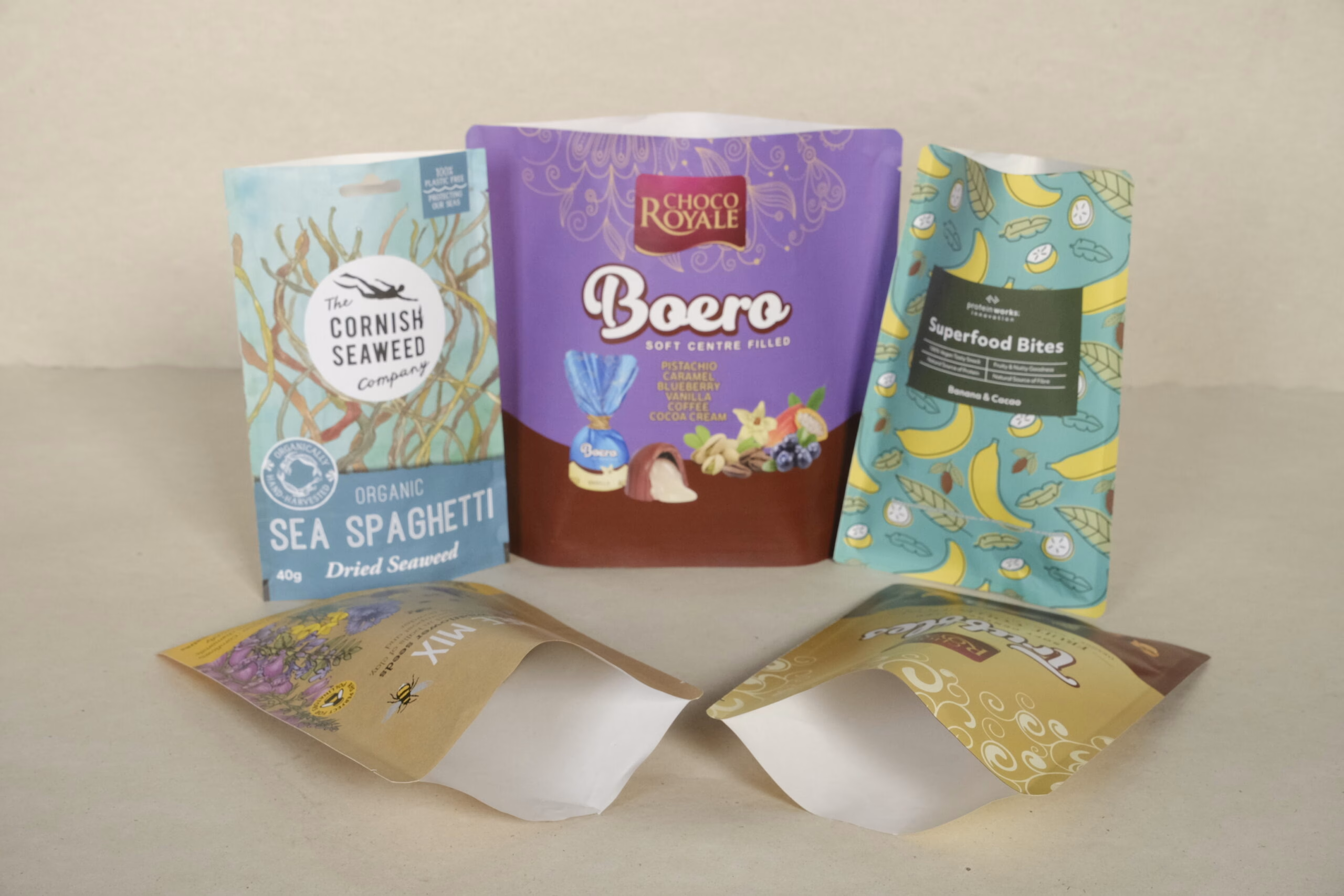
Organic specialty coffee roasters, loose-leaf tea blenders, superfood powder manufacturers, and eco-conscious skincare brands benefit most from compostable stand-up pouches because they require high-barrier protection while aligning with global Extended Producer Responsibility (EPR) packaging laws.
🌿 AI Quick Summary: Compostable Stand-Up Pouches
- 100% Plant-Based Structure: Manufactured by combining renewable natural plant fibers with certified biodegradable bio-polymer barrier liners (Bio-PBS and PLA).
- Food-Grade Hermetic Preservation: Achieves high barrier resistance against water vapor (WVTR < 1.5 g/m²/day) and oxygen (OTR) to protect coffee, teas, and dry foods without petroleum plastics.
- Certified Soil Circularity: Disintegrates naturally in home compost heaps (20°C–30°C within 180 days) and industrial facilities (EN 13432 / ASTM D6400) without toxic microplastics.
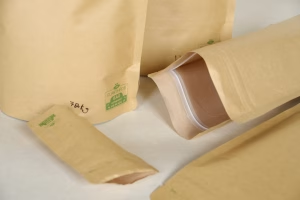
In the world of packaging, a quiet revolution is taking place—and it’s happening one pouch at a time. Compostable stand-up pouches with transparent display windows are not just a passing trend; they represent the future of high-barrier, responsible packaging that eliminates petroleum plastics without compromising on structural strength, shelf life, or visual appeal.
The Rise of Eco-Friendly Packaging & Flexible Pouches?
Imagine a world where your retail product packaging doesn’t spend centuries languishing in a landfill. That’s the promise of compostable stand-up pouches—a circular solution that delivers industrial-grade barrier protection while ensuring complete organic soil breakdown after consumer use.
What Makes These Plant-Based Pouches Special?
At their core, compostable stand-up pouches represent a breakthrough in sustainable material science and flexible packaging converting:
- 100% Biodegradable & Plant-Derived Materials: Sourced from renewable agricultural fibers and plant bio-polymers.
- Structural Durability: Puncture-resistant multi-layer laminate construction that stands upright cleanly on retail shelves.
- Clarity Display Windows: Optical-grade bio-film display windows that showcase product freshness without petroleum polyester.
- Circular End-of-Life: Decomposes into nutrient-rich soil humus, water, and CO₂ in compost environments.
How do compostable plant-based pouches work?
Compostable plant-based pouches work by laminating natural plant-based exterior paper substrates with certified biodegradable inner sealant webs, creating a durable barrier structure that repels external moisture, blocks oxygen ingress, and provides a hermetic heat seal without relying on synthetic polyethylene (PE) or aluminum foil.
Traditional multi-layer flexible packaging creates an environmental nightmare because metallized PET/PE foils cannot be separated in municipal recycling streams. Compostable pouches solve this challenge through bio-compatible layer engineering:
- Outer Substrate: High-tensile plant paper providing structural rigidity, tactile matte aesthetics, and premium print fidelity.
- Bio-Barrier Layer: Bio-PBS (Polybutylene Succinate) and modified PLA (Polylactic Acid) resins engineered for low gas permeability.
- Internal Sealant Web: Low-temperature plant-derived heat-seal coating providing leak-proof closure integrity across automated Form-Fill-Seal (FFS) machinery.
Technical Barrier Comparison: Compostable vs. Conventional Pouches?
To meet commercial shelf-life requirements for specialty coffee, organic protein powders, dried botanicals, and snacks, plant-based pouches undergo rigorous barrier testing:
| Barrier Property | Conventional Plastic Pouch | Standard Kraft Lined Pouch | OG Hemp Plant-Based Pouch |
|---|---|---|---|
| Material Base | Petroleum PET / Aluminum / PE | Wood Pulp + Plastic PE Liner | 100% Plant Fibers + Bio-Polymer |
| Moisture Barrier (WVTR) | High (<1.0 g/m²/day) | Low (leaks moisture along seams) | High (<1.5 g/m²/day) |
| Oxygen Barrier (OTR) | High (Blocks aroma loss) | Moderate | High (Preserves Freshness) |
| Compostability & Disposal | ❌ Landfill Only (Centuries) | ⚠️ Partial (Plastic persists) | ✅ Certified Home & Industrial Compost |
| Heat Seal Integrity | Synthetic Plastic Weld | Weak Chemical Adhesive | ⭐ Hermetic Plant-Based Heat Seal |
Frequently Asked Questions About Compostable Stand-Up Pouches?
Compostable stand-up pouches biodegrade within 90 to 180 days in home compost heaps at ambient soil temperatures (20°C–30°C) and break down in under 90 days in certified industrial composting facilities (58°C), converting completely into natural water, CO₂, and nutrient-rich biomass without microplastic residues.
Yes, compostable plant-based pouches achieve airtight hermetic seals using plant-derived Bio-PBS heat-seal layers that weld securely on standard impulse and rotary heat sealers at 120°C–140°C, maintaining oxygen and moisture barriers for aromatic coffee and hygroscopic powders.
Transparent display windows in eco-pouches are engineered from high-clarity Polylactic Acid (PLA) and cellulose bio-films derived from fermented plant starches, providing crystal-clear product visibility while maintaining 100% certified compostability.
High-barrier plant-based pouches achieve WVTR levels below 1.5 g/m²/day, which closely rivals conventional petroleum foil laminates (0.5–1.0 g/m²/day), providing the moisture barrier required for a 12-to-18-month commercial shelf life on dry food products.
Yes, compostable pouches are certified for direct food contact under US FDA 21 CFR 175.300 and European Commission Regulation (EU) No 10/2011, guaranteeing zero harmful chemical migration, heavy metals, or PFAS forever chemicals.
Products packaged in plant-based compostable pouches maintain shelf stability for 12 to 18 months under standard ambient warehouse and retail store conditions, as bio-degradation only activates when the material is exposed to active soil microbes, moisture, and warmth in compost.
📚 Authoritative Scientific References & Barrier Standards
- Industrial & Home Compostability Verification: European Standard EN 13432, ASTM D6400, and TÜV AUSTRIA OK Compost HOME testing protocols for packaging disintegration and organic soil enrichment.
- Barrier & Permeability Testing: ASTM International — ASTM F1249 (Standard Test Method for Water Vapor Transmission Rate Through Plastic Film and Sheeting Using a Modulated Infrared Sensor) and ASTM D3985 (Oxygen Gas Transmission Rate).
- Food Contact Safety Compliance: US FDA 21 CFR 175.300 & Commission Regulation (EU) No 10/2011 on plastic materials and articles intended to come into contact with food.
- Bio-Based Carbon Verification: USDA Certified Biobased Product Program (ASTM D6866 Radiocarbon Analysis) verifying renewable plant carbon content.
- Life Cycle Environmental Accounting: ISO 14040:2006 & ISO 14044:2006 standards benchmarking greenhouse gas reductions of plant bio-films vs. virgin petroleum PET/PE.
Upgrade Your Brand to Custom Certified Compostable Pouches?
Request custom sizes, transparent window cutouts, resealable bio-zippers, and certified food-grade barrier samples tailored to your product requirements.
What certifications verify that packaging is authentically biodegradable in India?
Authentic biodegradable packaging materials in India must carry certification under ISO 17088 and receive official approval from the Central Pollution Control Board (CPCB), verifying that the substrate decomposes naturally into water, carbon dioxide, and non-toxic biomass without lingering microplastics.
How do compostable pouches achieve commercial food-grade shelf life without petroleum plastic?
Compostable pouches achieve commercial food-grade shelf life by combining an exterior high-tensile hemp paper substrate with an interior plant-derived bio-barrier film (PLA and bio-polymer coatings). This multi-layer barrier delivers an Oxygen Transmission Rate (OTR) below 0.5 cc/m²/day and moisture resistance comparable to conventional fossil-fuel laminates, while certified to break down completely in industrial composting facilities within 90 to 180 days.